Wind power is often the better pick for large sites with strong, steady wind, while solar is usually simpler for homes, small businesses, and rooftops. Both can cut emissions and bills, but they solve different problems. Wind can produce power at night and through winter storms. Solar is easier to install, easier to permit, and less likely to annoy neighbors.
TLDR: Wind power can be highly productive where average wind speeds are strong, while solar wins on ease, cost predictability, and broad access. For example, a rural property with open land and an average wind speed above 6.5 meters per second may get strong value from a turbine, but a suburban home will usually see faster results from rooftop solar. In many markets, solar panels convert about 15% to 23% of sunlight into electricity, while wind turbines can reach higher capacity factors in the right location. The best option depends less on national averages and more on the actual site.
Wind Power vs Solar: The Core Difference
Wind and solar both turn free natural resources into electricity. Yet they behave very differently. Solar power depends on sunlight. It peaks during the day and drops at night. Wind power depends on air movement. It can work day or night, but only when wind speeds sit within the turbine’s operating range.
That sounds simple. The catch is that wind is far more site-sensitive. A roof with good sun exposure can support solar in many towns and cities. A wind turbine needs open space, height, clean airflow, and distance from obstacles. Trees, buildings, hills, and nearby structures can wreck performance.
Pros of Wind Power
- Strong electricity output in the right place: A well-sited wind turbine can produce large amounts of power. Utility-scale turbines often deliver more electricity per installed unit than small solar arrays.
- Works at night: Wind does not care whether the sun is up. This makes it useful when paired with solar, since the two sources often peak at different times.
- Good winter performance: In many regions, wind speeds rise during colder months. That can help offset winter heating demand.
- Low operating emissions: Once installed, turbines generate electricity without burning fuel. Their carbon footprint is mostly tied to manufacturing, transport, installation, and maintenance.
- Land can still be used: Farms can often keep growing crops or grazing livestock around turbines. The turbine base uses a small share of the land.
Cons of Wind Power
- Location limits are severe: Poor wind means poor economics. There is no easy fix for a bad site.
- Permits can be painful: Local rules may restrict height, noise, shadows, and setbacks. It drives many buyers crazy that one zoning review can add weeks or months before hardware is even ordered.
- Noise and visual concerns: Modern turbines are quieter than older models, but they are not invisible or silent. Some neighbors will object.
- Higher maintenance needs: Turbines have moving parts. Blades, bearings, gearboxes, brakes, and control systems need attention.
- Wildlife impacts: Birds and bats can be harmed by poorly placed turbines. Careful siting reduces this risk, but does not erase it.
Pros of Solar Power
Solar has one huge advantage: simplicity. Panels can sit on roofs, carports, ground mounts, schools, warehouses, and parking lots. Most people understand the idea quickly. Sun hits panel. Panel makes power. That plain path matters.
- Easy to scale: A system can be small enough for a cabin or large enough for a utility project.
- Low maintenance: Solar panels have no moving parts. In many cases, cleaning, inverter checks, and monitoring are the main tasks.
- Good fit for buildings: Rooftop solar uses space that is already built. No tower is needed.
- Predictable production: Sunlight patterns are easier to model than turbulent wind around buildings.
- Falling costs: Solar modules have become much cheaper over the past decade, making payback periods more attractive in many regions.

Cons of Solar Power
- No sunlight means no output: Solar stops at night and drops during cloudy weather.
- Storage adds cost: Batteries improve reliability, but they can add thousands to a project.
- Roof issues matter: Shading, old roofing, poor angle, and limited space can reduce value.
- Midday production can be awkward: Solar often makes the most electricity when household demand is not at its peak.
Cost and Payback Comparison
Solar usually has a clearer cost path for homeowners. Installers can quote standard panel systems, common inverters, battery options, and expected output. Wind is harder. A small turbine may look attractive on paper, but tower height, foundation work, wiring, permitting, and maintenance can shift the final cost fast.
For residential use, solar often wins because it is repeatable. A 6 kilowatt rooftop solar system in a sunny area may cover a solid share of annual electricity use. A small wind turbine with the same rated capacity may underperform badly if local wind is weak or turbulent. Rated capacity is not the same as real production. That little detail causes a lot of disappointment.
Reliability and Energy Timing
Wind and solar can work well together because their production patterns differ. Solar is strongest in daylight. Wind may rise at night, during storms, or in colder seasons. This mix can reduce the need for grid power or oversized batteries.
Still, neither source is perfectly steady. Energy storage, smart controls, backup generators, or grid connection may be needed. For off-grid sites, this planning matters a lot. Honestly, it feels like many project estimates gloss over this part, then the owner finds out later that the battery bank is the real budget shock.
Environmental Impact
Both options beat fossil fuel generation on operating emissions. Solar panels have mining and manufacturing impacts. Wind turbines use steel, concrete, copper, rare earth materials in some designs, and composite blades. Neither is impact-free.
Wind has more visible wildlife and noise concerns. Solar has more land-use concern in large ground-mounted projects, though rooftops and brownfield sites reduce that issue. Recycling is improving for both industries, but end-of-life handling still needs better systems.

Which Option Is Better?
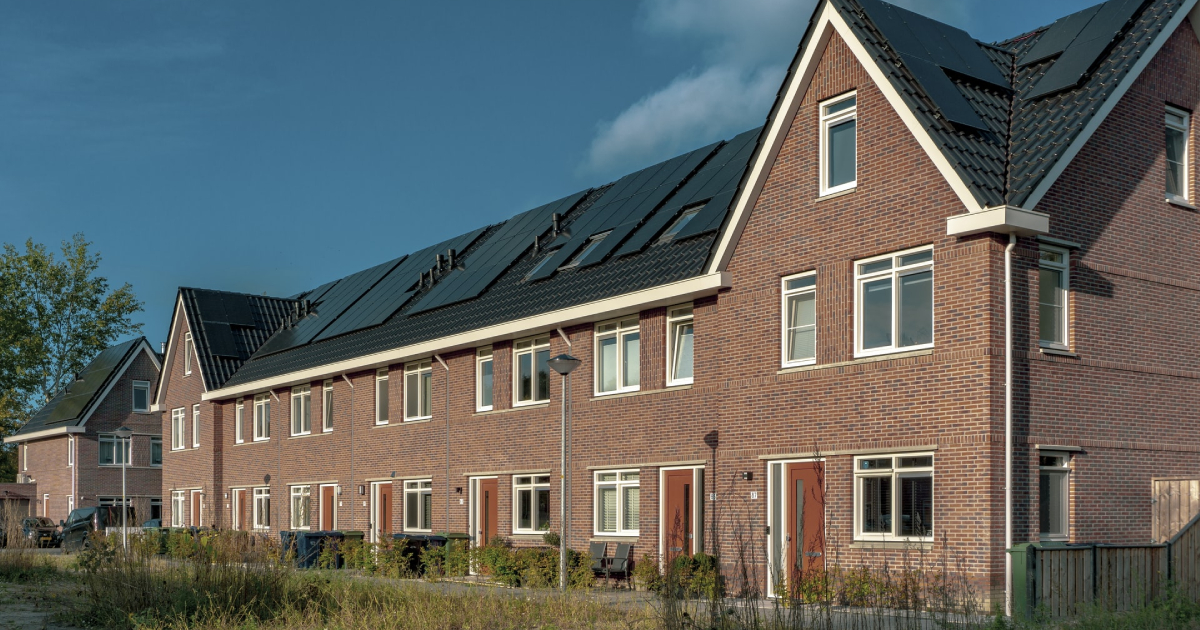
Solar is usually better for homes, dense suburbs, schools, offices, and sites with simple roof access. It is easier to permit, easier to finance, and easier to maintain. It also fits places where tall towers would be rejected.
Wind is better for farms, coastal areas, plains, ridgelines, industrial sites, and utility projects with verified wind resources. It can produce major power when the site is right. It can also fill gaps when solar output is low.
The smartest comparison starts with measurements. Solar buyers should check roof angle, shade, utility rates, and local incentives. Wind buyers should get real wind data at hub height, not guesses from ground level. If the wind resource is not proven, solar is usually the safer bet.
FAQ
Is wind power cheaper than solar?
For large utility projects, wind can be very cost-effective. For homes and small buildings, solar is usually cheaper and easier to install.
Can wind and solar be used together?
Yes. A hybrid system can produce power across more hours of the day and more seasons of the year. It may also reduce battery size in some cases.
Is a small wind turbine worth it for a house?
Only in the right location. The site needs strong, smooth wind and enough space for a proper tower. Many residential sites do not meet that standard.
Which lasts longer, wind turbines or solar panels?
Solar panels often carry performance warranties of 25 years or more. Wind turbines can also last for decades, but they need more mechanical maintenance.
Which is better for the environment?
Both are far cleaner than coal, oil, or gas during operation. Solar often has fewer local complaints, while wind can use land efficiently when placed well.