A website visitor is not a customer yet; they are a possibility. The job of an inbound sales funnel is to turn that possibility into a real relationship by guiding people from first impression to confident purchase. Unlike pushy outbound tactics, inbound sales works because it meets buyers where they already are: searching, comparing, learning, and solving problems.
TLDR: An inbound sales funnel is a structured journey that moves visitors from awareness to purchase through helpful content, trust-building, and timely follow-up. The seven key stages are attract, engage, capture, qualify, nurture, present, and convert. Each stage should answer a buyer’s next question and reduce friction. When done well, the funnel feels less like selling and more like being genuinely useful.
What Is an Inbound Sales Funnel?
An inbound sales funnel is the path a potential customer takes after discovering your business online. It may begin with a blog post, social media update, search result, podcast, video, or referral link. From there, the visitor moves through a sequence of interactions that help them understand their problem, evaluate your solution, and decide whether to buy.
The funnel is called a “funnel” because many people may enter at the top, but only some become leads, fewer become qualified prospects, and fewer still become customers. The goal is not to force everyone through. Instead, it is to attract the right people, educate them, and make it easy for ready buyers to take the next step.
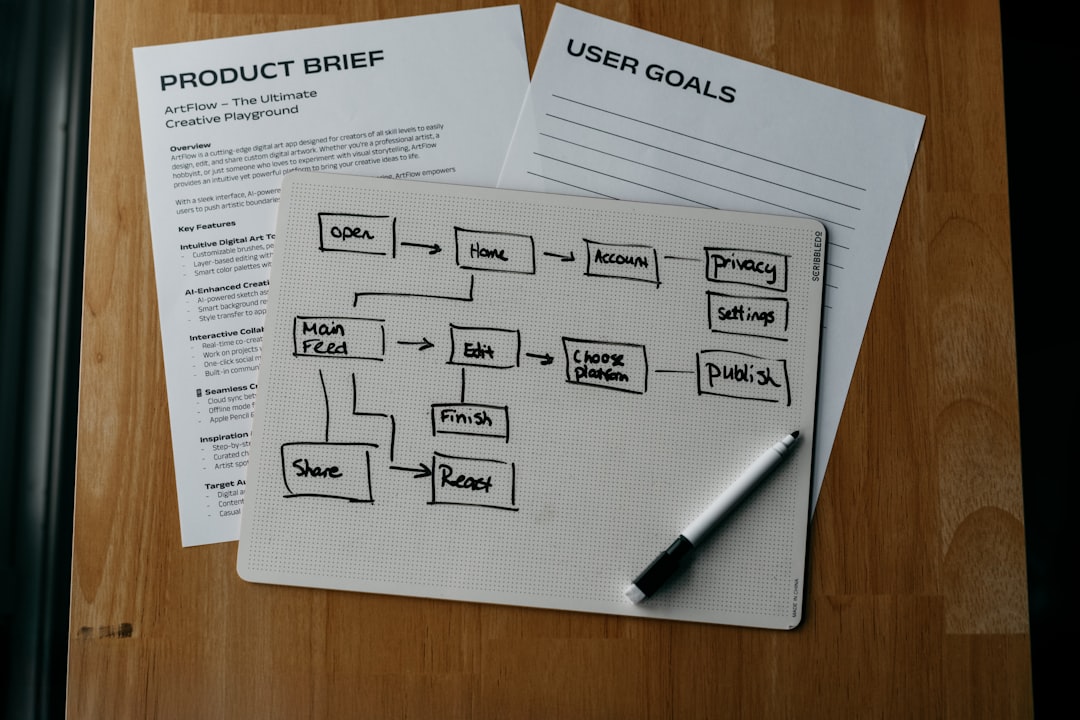
The 7 Stages of an Inbound Sales Funnel
1. Attract: Bring the Right Visitors In
The first stage is about visibility. People cannot buy from you if they cannot find you. At this stage, your priority is to attract visitors who are already interested in the problems your business solves.
Common attraction channels include:
- Search engine optimization for helpful articles and landing pages
- Social media content that shares insights, examples, and stories
- Educational videos, webinars, and short tutorials
- Guest posts and partnerships that introduce you to relevant audiences
- Paid search or paid social campaigns aimed at specific buyer intent
The best top-of-funnel content does not immediately ask for a sale. It answers questions your audience is already asking, such as “How do I fix this?” or “What should I know before choosing a solution?”
2. Engage: Make the First Visit Meaningful
Once someone lands on your site, you have a short window to earn their attention. Engagement begins with clarity. Visitors should understand who you help, what you offer, and why it matters within seconds.
Good engagement depends on strong website fundamentals: fast loading pages, simple navigation, clear headlines, relevant calls to action, and content that matches the visitor’s intent. If a person arrives from a search about “best software for small teams,” the page should not greet them with vague brand language. It should speak directly to that need.
At this stage, your website should feel like a helpful guide, not a maze.
3. Capture: Turn Anonymous Visitors into Leads
Most visitors will not buy during their first visit. That is why lead capture is essential. This stage gives people a reason to share their contact information so the relationship can continue.
Effective lead capture offers value in exchange for a small commitment. Examples include:
- A downloadable checklist or guide
- A free template, calculator, or assessment
- A newsletter with useful industry insights
- A webinar registration
- A free consultation or product demo
The offer should match the visitor’s stage of awareness. Someone just learning about a topic may want a beginner’s guide, while someone comparing providers may want a pricing guide, case study, or demo.

4. Qualify: Identify the Best Opportunities
Not every lead is ready to buy, and not every lead is a good fit. Qualification helps your sales team focus on the people most likely to become successful customers.
Inbound qualification often combines behavioral signals and direct information. A lead who visits your pricing page, downloads a comparison guide, and opens multiple emails is showing stronger intent than someone who only downloaded a general article once. Forms can also ask useful but non-intrusive questions, such as company size, budget range, role, or main challenge.
A simple qualification framework might consider:
- Need: Does the person have a problem you can solve?
- Fit: Are they the type of customer you serve best?
- Authority: Can they influence or make the buying decision?
- Timing: Are they looking now, soon, or much later?
Qualification should never feel like interrogation. It should help both sides determine whether moving forward makes sense.
5. Nurture: Build Trust Over Time
Lead nurturing is where many inbound funnels succeed or fail. A person may like your content and need your solution, but still hesitate because of timing, budget, uncertainty, or competing priorities. Nurturing keeps the conversation alive.
Email sequences are one of the most common nurturing tools. However, effective nurturing is not simply sending promotional emails every few days. It means delivering timely, relevant content based on what the lead has shown interest in.
For example, a lead who downloaded a beginner’s guide might receive educational emails that explain common mistakes and key decision factors. A lead who requested a demo might receive case studies, implementation details, and answers to sales objections.
The purpose of nurturing is to increase confidence. Every message should help the buyer feel more informed, less overwhelmed, and more certain about the next step.
6. Present: Offer the Right Solution at the Right Moment
When a prospect is qualified and engaged, it is time to present your solution. This may happen through a product demo, sales call, proposal, personalized recommendation, free trial, or detailed landing page.
The key is relevance. A strong sales presentation does not list every feature. It connects the prospect’s specific pain points to your specific solution. If the buyer cares about saving time, focus on efficiency. If they care about reducing risk, show proof, support, security, testimonials, or guarantees.
At this stage, social proof becomes especially powerful. Case studies, reviews, customer stories, and measurable outcomes help prospects imagine their own success. People want to know, “Has this worked for someone like me?”

7. Convert: Make the Purchase Easy
The final stage is conversion: the moment a prospect becomes a customer. This may mean completing checkout, signing a contract, booking a paid service, or approving a proposal.
Many funnels lose buyers here because the process becomes confusing or slow. To improve conversions, remove unnecessary friction. Make pricing clear where possible, simplify forms, provide multiple payment options, and explain what happens after purchase.
Common conversion boosters include:
- Clear calls to action such as “Start your free trial” or “Book a consultation”
- Risk reducers such as guarantees, trial periods, or transparent cancellation terms
- Trust signals like testimonials, security badges, certifications, and client logos
- Fast response times from sales or support teams
Conversion is not about pressuring people into a decision. It is about making the right decision feel obvious, safe, and simple.
Why the Funnel Does Not End at the Sale
Although the seven stages focus on turning visitors into customers, the smartest businesses continue the inbound experience after the first purchase. Onboarding, support, education, and follow-up can turn new customers into repeat buyers and advocates.
A happy customer may leave a review, refer a friend, upgrade to a larger plan, or share your content with others. In that sense, the bottom of one funnel can become the top of another.
How to Improve Your Inbound Sales Funnel
To make your funnel stronger, look for gaps between stages. Are plenty of people visiting your site but few signing up? Your lead magnet may need improvement. Are many leads signing up but few booking calls? Your nurturing may not be addressing the right objections. Are prospects attending demos but not buying? Your offer, pricing, or sales presentation may need refinement.
Track metrics such as traffic sources, conversion rates, email engagement, form completions, demo bookings, sales close rates, and customer acquisition cost. Then improve one stage at a time.
Final Thoughts
An inbound sales funnel works best when it feels natural to the buyer. Each stage should provide the right information, at the right time, in the right format. When your content attracts the right audience, your website earns trust, your follow-up adds value, and your sales process removes friction, website visitors are far more likely to become customers.
The best inbound funnels do not just sell products; they help people make better decisions. That is what turns casual visitors into loyal customers.