Influencer marketing has matured from one-off sponsored posts into a relationship-driven channel that requires structure, data, and ongoing communication. As creator programs grow, brands and agencies need more than spreadsheets to track outreach, contracts, deliverables, payments, performance, and long-term partnerships. An influencer CRM platform helps teams centralize creator data, manage campaigns, and build scalable workflows without losing the human side of collaboration.
TLDR: The best influencer CRM platforms help brands discover creators, manage outreach, organize campaign workflows, and measure results in one place. GRIN, CreatorIQ, Traackr, Upfluence, Aspire, impact.com, and Modash are among the strongest options for managing creator relationships and campaigns. The right choice depends on program size, budget, ecommerce needs, reporting depth, and whether the team prioritizes discovery, relationship management, or performance tracking.
What Makes a Strong Influencer CRM Platform?
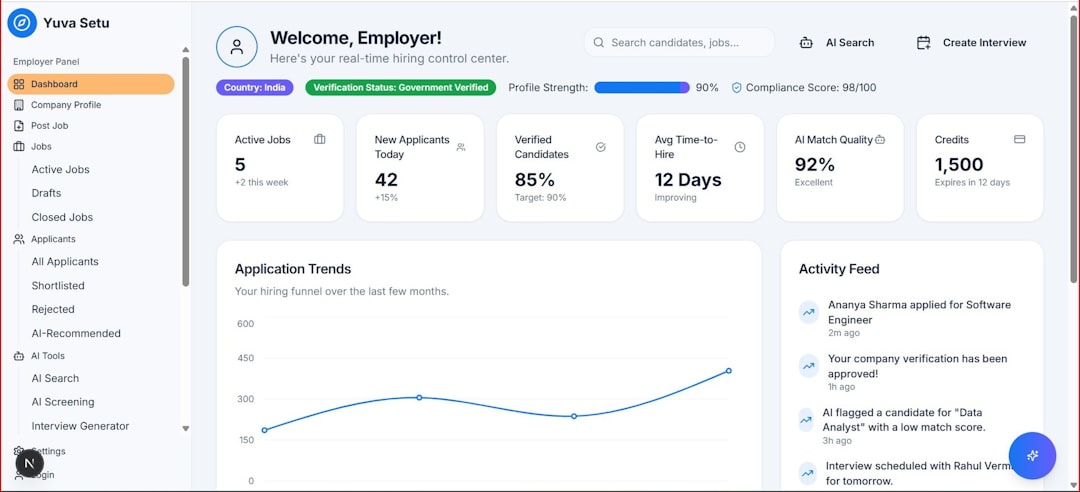
A strong influencer CRM goes beyond a basic contact database. It should help marketing teams manage the full creator lifecycle, from discovery and vetting to negotiation, content approval, payment, and reporting. The most useful platforms typically include creator profiles, audience insights, email or messaging tools, campaign timelines, product seeding, affiliate tracking, and analytics dashboards.
For growing brands, the CRM element is especially important. Creator partnerships often become more valuable over time, so teams need a clear record of past collaborations, rates, preferences, performance, and communication history. The following seven platforms stand out for their ability to support both relationship management and campaign execution.
1. GRIN
GRIN is widely used by ecommerce and direct-to-consumer brands that rely on creator partnerships to drive sales. Its strength lies in combining influencer CRM tools with ecommerce integrations, especially for brands using platforms such as Shopify. Teams can manage outreach, product gifting, discount codes, affiliate links, payments, and performance reporting from a single workspace.
GRIN is particularly useful for brands that already have an active creator community and want to deepen those relationships. It allows teams to import existing creators, track conversations, organize campaigns, and identify which partners generate the highest revenue. Its workflow tools also support product seeding and content collection, making it a strong choice for brands managing large volumes of creator-generated content.
- Best for: Ecommerce brands and DTC companies
- Key strengths: Product seeding, affiliate tracking, creator relationship history
- Consideration: It may be more platform than smaller teams need at an early stage
2. CreatorIQ
CreatorIQ is an enterprise-level influencer marketing platform built for larger organizations, agencies, and global brands. It offers advanced creator discovery, audience authenticity analysis, campaign management, reporting, and integrations with major social platforms. Its CRM capabilities help teams maintain detailed creator records, track communication, and manage multi-market or multi-brand programs.
One of CreatorIQ’s biggest advantages is its emphasis on data quality and brand safety. It provides tools for evaluating audience demographics, engagement patterns, and fraudulent activity. For organizations that need stakeholder-ready reports and standardized workflows across departments, CreatorIQ offers a robust infrastructure.
- Best for: Enterprise brands and large agencies
- Key strengths: Data depth, governance, reporting, global campaign management
- Consideration: Pricing and complexity may be better suited to mature programs
3. Traackr
Traackr is known for its sophisticated influencer relationship management and analytics, especially in beauty, fashion, lifestyle, and global consumer categories. It helps teams discover creators, benchmark competitors, manage relationships, and measure campaign performance with a strong focus on long-term influence rather than short-term transactions.
Traackr’s CRM features allow brands to segment creators, track interactions, and evaluate relationship value over time. Its analytics are particularly useful for teams that want to understand share of voice, creator impact, and market positioning. The platform also helps brands compare investment across creators and campaigns, making it easier to determine where budget is performing best.

- Best for: Global brands focused on strategic influencer programs
- Key strengths: Benchmarking, relationship intelligence, competitive analysis
- Consideration: It is strongest when used as part of a mature influencer strategy
4. Upfluence
Upfluence combines influencer discovery, CRM, outreach, campaign management, and affiliate tracking. It is especially appealing to ecommerce brands because it can identify influential customers within a brand’s existing customer base. That feature helps teams turn real buyers into authentic advocates, which can improve trust and campaign relevance.
The platform includes a large creator database, email tools, campaign workflows, payment management, and performance tracking. Brands can filter creators by niche, location, engagement, audience demographics, and platform. Its CRM functions help teams organize prospects, active partners, and past collaborators while keeping communication records centralized.
- Best for: Ecommerce brands seeking creators and customer advocates
- Key strengths: Customer matching, discovery, affiliate tools, outreach
- Consideration: Teams should carefully review creator fit rather than relying only on database filters
5. Aspire
Aspire, formerly known as AspireIQ, is a creator marketing platform that supports discovery, relationship management, content workflows, and campaign reporting. It is often used by brands that run community-driven influencer programs and need tools for managing applications, approvals, briefs, content rights, and deliverables.
Aspire stands out for its creator collaboration features. Brands can build creator portals, manage inbound applications, coordinate content review, and maintain a central library of approved assets. This makes it useful for teams that treat influencer marketing as both a performance channel and a content production engine.
- Best for: Brands building creator communities and content pipelines
- Key strengths: Creator portals, content approval, community management
- Consideration: Teams with very simple campaigns may not need all workflow features
6. impact.com
impact.com is best known for partnership automation, but its creator-focused capabilities make it a strong option for brands that connect influencer programs with affiliate, ambassador, and performance partnerships. It helps teams recruit partners, manage contracts, track links and codes, automate payments, and measure revenue outcomes.
For brands that view creators as part of a wider partnership ecosystem, impact.com provides a scalable structure. Its CRM-style partner management tools help teams organize creator relationships alongside affiliates, publishers, and brand partners. This is especially valuable when influencer marketing is closely tied to measurable conversions and commission-based compensation.
- Best for: Performance-driven influencer and affiliate programs
- Key strengths: Partnership automation, contracting, tracking, payments
- Consideration: It may feel less creator-community-focused than some dedicated influencer platforms
7. Modash
Modash is a practical influencer discovery and monitoring platform that is popular with teams looking for accurate creator search and audience data. It offers access to a large database of creators across major social networks and includes filters for audience location, engagement, follower size, bio keywords, and other criteria.
While Modash is often recognized for discovery, it also supports campaign tracking and creator list management. Teams can monitor live influencer content, check audience authenticity, and organize potential collaborators. It is a strong option for brands that want a leaner tool for finding and vetting creators before moving them into repeat collaboration workflows.
- Best for: Teams prioritizing discovery and creator vetting
- Key strengths: Large creator database, audience analysis, monitoring
- Consideration: Its CRM depth may be lighter than enterprise relationship platforms
How Brands Should Choose the Right Influencer CRM
The best influencer CRM depends on the maturity and goals of the program. A brand running product gifting campaigns may prioritize ecommerce integrations and shipping workflows, while an enterprise team may need governance, reporting, and cross-market collaboration. Agencies often need multi-client organization, approval workflows, and flexible reporting.
Before selecting a platform, teams should evaluate several factors:
- Creator discovery: Does the platform help identify relevant creators with reliable audience data?
- Relationship tracking: Can it store communication history, rates, notes, and past performance?
- Campaign workflows: Does it manage briefs, deliverables, approvals, deadlines, and content rights?
- Performance measurement: Can it track reach, engagement, conversions, revenue, and ROI?
- Integrations: Does it connect with ecommerce, email, payment, analytics, or affiliate systems?
- Scalability: Can the platform support the program as the creator roster grows?
Ultimately, influencer CRM software should make creator relationships easier to manage, not more mechanical. The strongest platforms give teams enough automation to stay organized while preserving the personal communication that makes creator partnerships effective. Whether a brand chooses GRIN for ecommerce, CreatorIQ for enterprise scale, Traackr for strategic intelligence, or Modash for discovery, the right tool should align with how the team builds trust, measures success, and grows its creator network.
FAQ
What is an influencer CRM platform?
An influencer CRM platform is software that helps brands manage creator relationships, outreach, campaigns, contracts, content, payments, and performance data in one centralized system.
Which influencer CRM is best for ecommerce brands?
GRIN and Upfluence are strong choices for ecommerce brands because they support product gifting, affiliate tracking, customer matching, and sales-focused reporting.
Which platform is best for enterprise influencer programs?
CreatorIQ and Traackr are often well suited for enterprise programs due to their advanced analytics, governance features, global campaign support, and reporting capabilities.
Is an influencer CRM necessary for small teams?
Small teams may start with spreadsheets, but a CRM becomes valuable when outreach, deliverables, creator notes, payments, and performance tracking become difficult to manage manually.
What features matter most in influencer CRM software?
The most important features usually include creator discovery, relationship history, campaign workflow management, audience analytics, content tracking, payment tools, and performance reporting.