Search results rarely stand still. A page can rank in the top three on Monday, slip to page two on Wednesday, and return by Friday without any obvious change to the website itself. This constant movement is known as Google ranking volatility, and AccuRanker Grump helps marketers, SEO teams, and business owners understand when ranking shifts are part of a larger search engine pattern rather than an isolated website issue.
TLDR: AccuRanker Grump is a Google ranking volatility tool that shows how much search results are changing on a given day. When the “Grump” mood is calm, rankings are relatively stable; when it is furious, broad ranking movement may be occurring across Google. SEO teams can use it to avoid overreacting to temporary fluctuations, investigate possible algorithm updates, and make more informed optimization decisions.
What Is Google Ranking Volatility?
Google ranking volatility refers to the degree of movement in search engine results pages, often called SERPs. When volatility is low, the same pages tend to hold similar positions for many keywords. When volatility is high, rankings may change dramatically across different industries, countries, and device types.
This movement can happen for several reasons. Google may be testing new ranking signals, rolling out a core algorithm update, refining how it interprets search intent, or adjusting SERP features such as featured snippets, local packs, image results, and video carousels. In other cases, volatility may be connected to seasonal interest, breaking news, competitor activity, or technical changes on websites.
For SEO professionals, volatility can create uncertainty. A sudden traffic drop may look alarming, but if the entire search landscape is unstable, the decline may not be caused by a site-specific problem. That is where a volatility monitoring tool becomes valuable.
What Is AccuRanker Grump?
AccuRanker Grump is a ranking volatility indicator created by AccuRanker. It monitors fluctuations in Google search results and presents the overall level of movement as a simple mood-based score. Instead of requiring users to interpret raw ranking data immediately, the tool gives a quick visual sense of whether Google’s results are calm or unsettled.
The name “Grump” comes from the idea that Google’s mood changes. When rankings are stable, the Grump is relaxed. When rankings are moving heavily, the Grump becomes irritated, angry, or furious. This makes volatility easier to understand for teams that need a fast overview before diving into deeper SEO analysis.
AccuRanker Grump is especially useful because ranking changes are not always obvious when looking at a single keyword. One keyword might move two positions, another might disappear from the first page, and another might remain unchanged. A volatility index aggregates broader movement, helping analysts identify whether those changes are part of a wider pattern.
How AccuRanker Grump Measures Volatility
AccuRanker Grump tracks changes in organic search rankings over time. It looks at how much movement occurs across a broad dataset and converts that movement into a volatility score. The exact methodology belongs to AccuRanker, but the practical purpose is clear: the tool estimates how turbulent Google’s search results are on a given day.
The tool commonly separates data by factors such as:
- Device type: Desktop and mobile rankings can fluctuate differently.
- Country or market: Google updates may appear stronger in one region than another.
- Keyword categories: Some industries experience more volatility than others.
- Daily trend changes: Comparing today’s volatility with recent days reveals whether movement is unusual.
This segmentation is important because Google ranking changes are rarely identical across every market. A health website, a travel publisher, and an ecommerce store may all experience different levels of disruption during the same period.
Understanding the Grump Mood Scale
The Grump tool typically communicates volatility through moods. While the exact labels may vary depending on the interface, the concept is easy to interpret. A calm mood suggests low volatility, while a furious mood suggests significant movement.
- Calm: Search results are relatively stable, and ranking changes are likely normal day-to-day movement.
- Cautious or irritated: Some noticeable movement is taking place, and SEO teams may want to monitor important keywords.
- Angry: Rankings are shifting more than usual, possibly suggesting an algorithm adjustment or broader SERP change.
- Furious: Major volatility is occurring, and many websites may be seeing substantial ranking changes.
This scale helps teams avoid panic. A sudden drop during a furious period may require investigation, but it should be interpreted differently from a sudden drop during a calm period. When the Grump is calm and only one website is declining, a site-specific technical, content, or authority issue is more likely.
Why Ranking Volatility Matters for SEO
Ranking volatility matters because it affects how performance data should be interpreted. Without context, a marketer may assume that every ranking decline is caused by a poor optimization decision. In reality, rankings can fluctuate even when nothing has changed on the website.
Volatility monitoring helps SEO teams make better decisions in several ways:
- It reduces overreaction. Teams can avoid making rushed edits during temporary turbulence.
- It supports algorithm update analysis. High volatility can correspond with confirmed or unconfirmed Google updates.
- It improves reporting. Clients and stakeholders can be shown that ranking shifts may be market-wide.
- It creates better timing. Teams can wait for volatility to settle before judging the effect of SEO changes.
- It provides competitive context. If several competitors move at once, the issue may be broader than one domain.
For example, a publisher may see traffic decline by 20% over two days. If AccuRanker Grump shows extreme volatility during the same window, the publisher may decide to monitor the trend before rewriting pages or changing internal links. If rankings remain lower after volatility settles, a deeper content review may then be appropriate.
How SEO Teams Can Use AccuRanker Grump
AccuRanker Grump is most valuable when it is used as part of a larger SEO workflow. It should not replace rank tracking, analytics, technical audits, or content evaluation. Instead, it should act as an early warning system and a contextual layer for interpreting search performance.
A practical workflow may include the following steps:
- Check volatility daily or weekly. Regular monitoring helps teams understand normal movement patterns.
- Compare volatility with ranking reports. If key rankings changed during high volatility, the results may need more observation.
- Review organic traffic trends. Ranking movement should be compared with clicks, impressions, conversions, and revenue.
- Look at competitors. If competitors also shifted, the change may be algorithmic or SERP-wide.
- Document important dates. SEO teams should record volatility spikes, Google update announcements, major site changes, and content launches.

This process helps create a timeline. When a website loses rankings, the team can ask whether the drop happened during a known volatility spike, after a technical deployment, following a content migration, or during a competitor’s campaign. Better timelines lead to better diagnosis.
Volatility Does Not Always Mean an Algorithm Update
One common mistake is assuming that every volatility spike equals a major Google algorithm update. While high volatility can indicate that Google is changing something important, it can also be caused by testing, SERP layout changes, news cycles, or shifts in user behavior.
Google makes many changes throughout the year. Some are confirmed publicly, while many are not. AccuRanker Grump can show that search results are moving, but it cannot explain the exact cause on its own. Analysts still need to examine keyword groups, landing pages, search intent, backlink patterns, technical health, and content quality.
For this reason, the best approach is balanced. High volatility should trigger observation and analysis, not instant conclusions. SEO teams should gather evidence before deciding whether a ranking change is caused by an algorithm update, a competitor improvement, a technical issue, or a mismatch with user intent.
Best Practices for Responding to High Volatility
When AccuRanker Grump indicates high volatility, an SEO team should respond thoughtfully. Sudden large-scale changes can feel urgent, but hasty actions may make recovery more difficult.
- Wait for patterns to stabilize. Rankings may bounce for several days before settling.
- Separate affected pages by type. Product pages, blog posts, category pages, and local pages may be affected differently.
- Check technical performance. Crawling issues, indexation errors, page speed problems, and canonical mistakes should be ruled out.
- Review search intent. Google may be favoring a different content format, such as guides, videos, product listings, or comparison pages.
- Analyze SERP features. A drop in clicks may happen even when rankings remain stable if new features push organic results lower.
- Avoid mass rewriting too soon. Large content changes should be based on clear evidence, not temporary ranking noise.
Stakeholder communication also matters. SEO managers can explain that volatility is part of organic search and that short-term movement does not always indicate failure. This keeps reporting realistic and prevents unnecessary changes driven by fear.
Combining Grump with Other SEO Data
AccuRanker Grump becomes more powerful when combined with other sources of SEO data. A volatility spike is only one signal. To understand its impact, teams should compare it with rank tracking, Google Search Console, web analytics, log files, and crawl data.
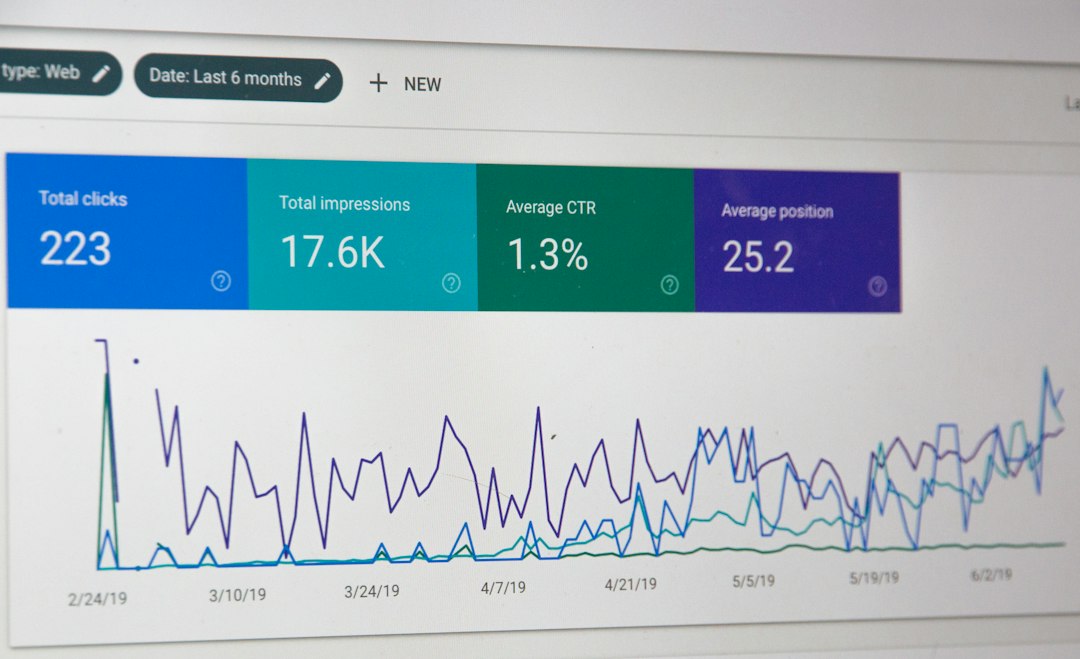
Google Search Console can show whether impressions, clicks, click-through rate, or average position changed for specific queries and pages. Analytics platforms can show whether organic traffic changes affected conversions or revenue. Technical SEO tools can reveal whether a ranking drop coincided with crawl errors, noindex tags, redirect mistakes, or server problems.
The strongest SEO conclusions usually come from multiple signals pointing in the same direction. If Grump shows high volatility, rankings drop across many important keywords, and Search Console impressions decline for a specific content group, the team has a stronger case for deeper investigation.
Limitations of AccuRanker Grump
Although AccuRanker Grump is useful, it has limitations. It provides a broad view of ranking volatility, not a personalized diagnosis for every website. A calm reading does not guarantee that an individual site will be stable, and a furious reading does not mean every website will lose traffic.
It also cannot determine whether a ranking change is good or bad for a specific business. Some websites gain visibility during volatile periods, while others lose it. The tool should therefore be used as a context provider rather than a final answer.
Conclusion
Understanding Google ranking volatility is essential for modern SEO. Search results change constantly, and those changes can affect traffic, reporting, and strategic decisions. AccuRanker Grump gives SEO professionals a simple way to monitor turbulence and interpret ranking shifts with more context.
When used correctly, the tool helps teams stay calm during unstable periods, identify possible algorithm activity, and avoid premature conclusions. It works best alongside rank tracking, analytics, technical audits, and careful SERP analysis. In a search environment that is always changing, AccuRanker Grump provides a valuable signal that helps separate normal ranking noise from movement that deserves closer attention.
FAQ
What is AccuRanker Grump?
AccuRanker Grump is a Google ranking volatility tool that indicates how much search results are changing. It uses a mood-based scale to show whether rankings are stable or highly volatile.
Does high volatility mean Google released an algorithm update?
Not always. High volatility can be related to algorithm updates, but it may also come from SERP testing, seasonal trends, news events, or changes in user behavior.
How should SEO teams react when Grump is furious?
They should monitor rankings, compare data across tools, check for technical issues, and avoid making rushed changes until patterns become clearer.
Can AccuRanker Grump explain why a website lost rankings?
No. It shows that search results are moving, but further analysis is needed to determine the cause of a specific website’s ranking loss.
Is ranking volatility always bad?
No. Volatility can create losses for some websites and gains for others. It simply means that search rankings are changing more than usual.
Should Grump be used alone for SEO decisions?
No. It should be used with rank tracking, Google Search Console, analytics data, technical audits, and competitive research for a complete understanding.