Chicago is loud, proud, fast, and full of opportunity. Your website should feel the same way. It should help people find you, trust you, and buy from you. Whether you run a pizza shop in Logan Square, a law firm in the Loop, or a fitness studio in Lincoln Park, smart website marketing can help your business grow.
TLDR: A strong Chicago website needs local SEO, clear messaging, fast pages, and helpful content. Make it easy for people to find you, call you, book you, or buy from you. Use local proof, reviews, maps, and neighborhood keywords. Keep testing, improving, and showing up where your customers spend time online.
Start With a Website That Works Hard
Your website is not just a digital brochure. It is your best salesperson. It works all day. It never takes a lunch break. It does not complain about traffic on the Kennedy.
A good website should do three simple things:
- Attract the right people.
- Explain what you do.
- Convert visitors into customers.
If your site looks nice but no one contacts you, something is wrong. Pretty is good. Clear is better. Fast is even better.
Every page should answer a few basic questions. Who are you? What do you offer? Where do you serve? Why should someone choose you? What should they do next?
Do not make people guess. Chicago customers are busy. They may be on the train. They may be walking to lunch. They may be comparing five businesses at once. Make the next step obvious.
Use buttons like Call Now, Book a Free Quote, or Get Started Today. Place them near the top of the page. Add them again lower down. People need gentle reminders.
Win With Local SEO
Local SEO helps people in Chicago find your business on Google. This matters a lot. When someone searches for “best plumber near me” or “Chicago wedding photographer,” you want to show up.
Start with your Google Business Profile. Keep it clean and complete. Add your correct name, address, phone number, hours, photos, services, and website link. Update it often.
Then use local keywords on your website. These are search phrases that include your service and location.
Examples include:
- Chicago roof repair
- West Loop dentist
- South Loop dog groomer
- Wicker Park coffee shop
- Lincoln Park personal trainer
Do not stuff keywords everywhere. That feels weird. Google does not like it. Humans do not like it either. Use keywords in a natural way.
Add them to page titles, headings, service pages, image text, and body copy. Write like a real person. Keep it simple.
Also create pages for key service areas. If you serve multiple neighborhoods, say so. A page about “Home Cleaning in Lakeview” can help you reach Lakeview customers. A page about “Home Cleaning in Hyde Park” can attract Hyde Park customers.
Just make sure each page is useful. Do not copy and paste the same text with a new neighborhood name. That is lazy. Search engines notice. People notice too.
Use Chicago Flavor
Chicago has personality. Your website should use some of it. You do not need to sound like a sports announcer. But you can show that you understand the city.
Mention local neighborhoods. Mention local problems. Mention local culture when it fits.
For example, a snow removal company can talk about brutal winter mornings. A catering company can talk about office lunches in the Loop. A real estate agent can explain the difference between buying in Bucktown, Bronzeville, and River North.
This makes your business feel local. It builds trust. People like working with businesses that “get it.”
But keep it real. Do not force it. A little Chicago charm goes a long way.
Make Your Website Fast
Speed matters. A slow website loses customers. People will not wait. They will tap back and choose someone else.
Your site should load fast on phones. This is huge. Many local searches happen on mobile devices. Someone may be standing on Michigan Avenue looking for a nearby lunch spot. Someone may be in a parked car searching for an emergency locksmith.
If your site takes forever, you are gone.
To improve speed:
- Compress images.
- Use simple design.
- Remove unused plugins.
- Choose good hosting.
- Limit pop ups.
Fast sites feel professional. They also help with SEO. Google wants users to have a good experience. Speed is part of that.
Build Trust With Proof
People do not want to be your experiment. They want proof that you can do the job.
Add trust signals throughout your website. These little things make a big difference.
- Customer reviews
- Testimonials
- Case studies
- Before and after photos
- Certifications
- Years in business
- Local client logos
Reviews are gold. Ask happy customers to leave them on Google, Yelp, Facebook, or industry sites. Then feature the best ones on your website.
Use real names when possible. Add locations if customers agree. A review from “Maria in Pilsen” feels more real than a review from “M.”
Also respond to reviews. Thank people. Be kind. Stay calm when reviews are not perfect. A smart reply can show future customers that you care.
Create Helpful Content
Content is not just blog filler. Good content answers questions. It solves small problems. It helps people trust you before they ever call.
Think about what your customers ask all the time. Then write about those topics.
A Chicago HVAC company could write:
- How to prepare your furnace for a Chicago winter
- Why your apartment feels humid in summer
- When to replace an old air conditioner
A local bakery could write:
- How to choose a wedding cake size
- Best dessert ideas for office parties
- How early to order custom cupcakes
Keep posts simple. Use short paragraphs. Add headings. Use lists. Answer the question quickly.
Do not write only for search engines. Write for real people. If people like the content, search engines get the hint.
Helpful content can also be reused. Turn a blog post into a social media post. Turn tips into an email. Turn FAQs into short videos. One idea can travel far.
Make Calls to Action Clear
A call to action tells visitors what to do next. Without it, people drift away. They may like your site and still leave.
Use clear calls to action on every key page.
Good examples:
- Schedule a Free Consultation
- Call for Same Day Service
- Order Online
- Request a Quote
- Join Our Email List
Bad examples:
- Submit
- Click Here
- Learn More
Those are vague. Be specific. Tell people what they get.
Also make forms short. Ask only for what you need. Name, email, phone, and message may be enough. Long forms scare people away.
Use Paid Ads the Smart Way
SEO is powerful, but it takes time. Paid ads can bring faster traffic. This includes Google Ads, social media ads, and local display ads.
Google Ads are great when people already want something. If someone searches “emergency electrician Chicago,” they are ready. Show up there if the numbers make sense.
Social ads are better for awareness. They can help promote events, offers, new services, and local deals. They work well when the visuals are strong.
Start small. Test one message. Test one audience. Test one landing page. Do not throw your whole budget into the lake.
Track results. Know how much each lead costs. Know which ads bring real customers. If an ad does not work, pause it. If it works, improve it.
Build Landing Pages for Campaigns
Do not send every ad visitor to your homepage. That is like dropping someone in the middle of Union Station and saying, “Good luck.”
Create landing pages for specific campaigns. If your ad promotes kitchen remodeling, the page should be about kitchen remodeling. If your ad promotes tax help for small businesses, the page should be about that service.
A good landing page includes:
- A clear headline.
- A short explanation.
- Benefits.
- Reviews or proof.
- A strong offer.
- A simple form or phone button.
Keep it focused. No clutter. No ten different choices. One page. One goal.
Do Not Forget Email Marketing
Email may sound old. It is not. Email still works very well. It is direct. It is affordable. It keeps your business in front of people.
Build an email list through your website. Offer something useful in exchange.
Ideas include:
- A first order discount.
- A local guide.
- A checklist.
- A free estimate.
- Event updates.
Send emails that are helpful and friendly. Do not only sell. Share tips. Share stories. Share seasonal reminders.
A landscaping company can send spring lawn tips. A restaurant can send weekend specials. A boutique can share new arrivals. A consultant can share business advice.
Keep emails short. Add one main button. Make it easy to act.
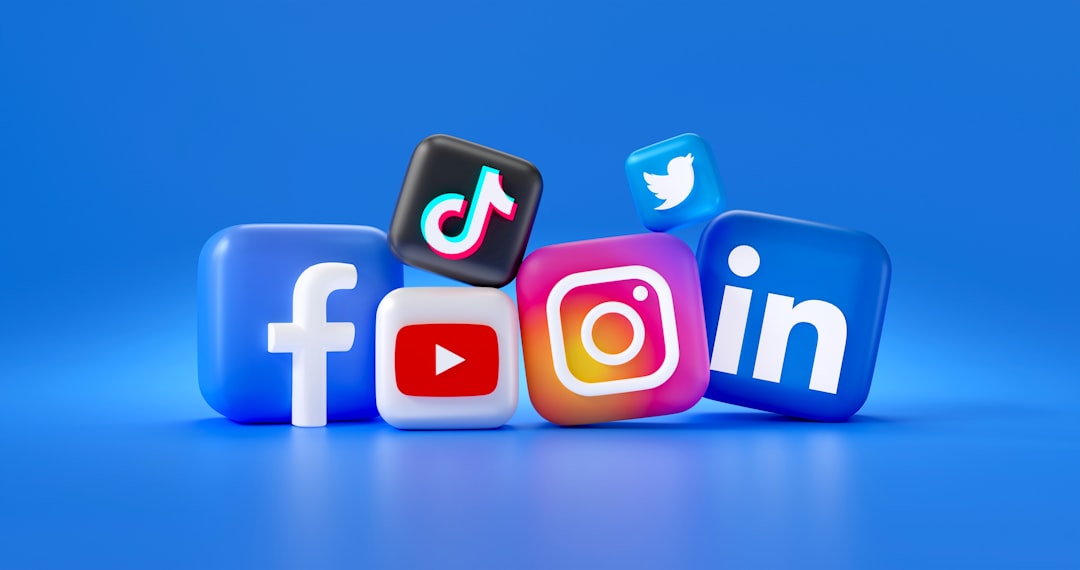
Connect Your Website to Social Media
Social media helps people discover you. Your website helps people decide. They should work together.
Add social links to your website. Also share website content on social channels. Link your Instagram posts to booking pages. Link your Facebook updates to event pages. Link your LinkedIn posts to case studies.
Use platforms that fit your audience. You do not need to be everywhere.
- Instagram works well for food, fashion, beauty, fitness, and events.
- Facebook is good for local communities and service businesses.
- LinkedIn is strong for B2B companies.
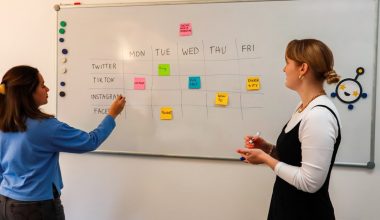
- TikTok can work for fun, visual, or educational brands.
Show real people. Show behind the scenes. Show your team. Show the work. People enjoy honest content more than perfect content.
Track the Numbers
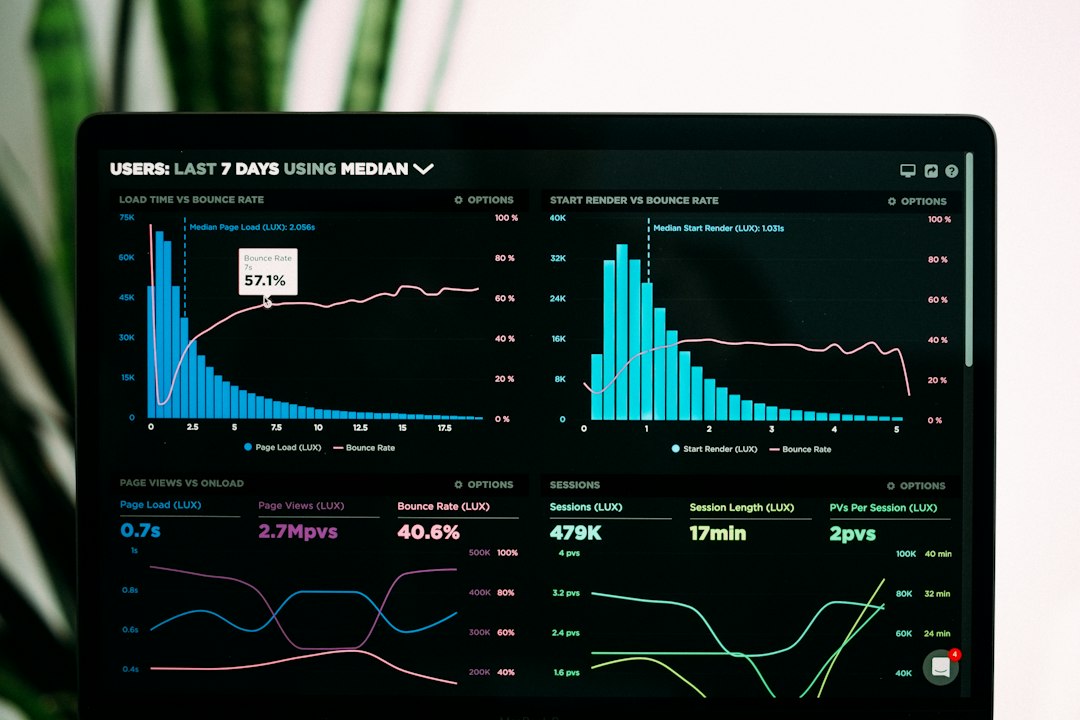
Marketing without tracking is guessing. Guessing is expensive. Use data to see what is working.
Track these numbers:
- Website visitors
- Top pages
- Search keywords
- Phone calls
- Form submissions
- Online bookings
- Sales from campaigns
Use tools like analytics software, call tracking, and form tracking. Check results each month. Look for patterns.
Maybe your blog brings traffic, but your service page brings leads. Maybe mobile visitors leave too fast. Maybe one neighborhood page gets lots of searches. These clues matter.
Make small changes. Test new headlines. Move buttons. Rewrite weak pages. Add better photos. Improve one thing at a time.
Make Mobile the Main Event
Your website must be great on phones. Not okay. Great.
Text should be easy to read. Buttons should be easy to tap. Menus should be simple. Forms should work without pinching or zooming.
Call buttons are very important. Many mobile users want to call right away. Add tap to call buttons near the top. Add them on contact pages too.
Also make maps easy to find. If you have a physical location, show your address clearly. Add parking notes if needed. In Chicago, parking details can feel like a love letter.
Use Offers With a Local Hook
A good offer gives people a reason to act now. It does not need to be huge. It just needs to feel useful.
Try offers like:
- Free local delivery in select Chicago neighborhoods.
- First visit discount for new clients.
- Winter readiness inspection.
- Back to school special.
- Small business website audit.
Tie offers to seasons and local life. Chicago has strong seasons. Use them. Winter, summer festivals, football season, moving season, wedding season, and holiday shopping can all inspire campaigns.
Final Thoughts
Chicago is a big city with big energy. Your website marketing should match that energy. But it does not need to be complicated.
Start with the basics. Build a fast site. Use local SEO. Add trust. Create helpful content. Make action easy. Track what happens.
Then keep improving. Marketing is not a one time project. It is more like deep dish pizza. Layer by layer, it gets better.
With the right strategy, your website can become a growth engine. It can bring more calls, more bookings, more sales, and more loyal customers. And that is a win worth celebrating.