Choose hydropower when you need firm, controllable renewable power; choose wind when you need faster, cheaper capacity with fewer water and permitting headaches. The best decision is rarely “hydro or wind forever.” It is usually a mix based on river flow, grid demand, storage needs, land access, and how much environmental change a community will accept.
TLDR: Hydropower is more reliable hour by hour because water can often be stored and released when electricity is needed. Wind power is usually faster to build and can be cheaper, but it depends on weather and often needs batteries, transmission upgrades, or backup supply. For example, a 100 MW hydropower plant running at a 50% capacity factor can produce about 438,000 MWh per year, while a 100 MW wind farm at 35% produces about 306,600 MWh. A city replacing peak-hour fossil fuel use may favor hydro, while a rural county seeking quick clean-energy growth may favor wind.
Hydropower in plain terms
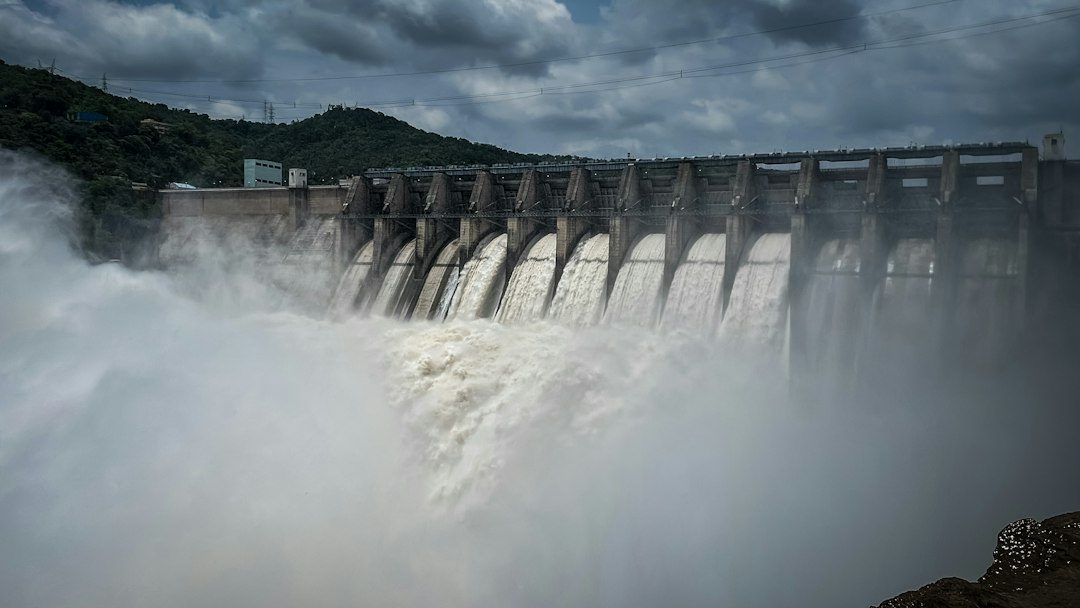
Hydropower uses moving water to spin turbines and generate electricity. Large dam projects store water in reservoirs. Run-of-river systems use natural flow with little storage. Pumped storage moves water uphill when power is cheap, then releases it later to meet demand.
That last option matters a lot. Pumped storage is not just generation. It acts like a giant battery. When solar and wind output rises, pumped hydro can absorb excess power. When demand spikes at dinner time, it can send electricity back to the grid.
Hydropower pros
- Reliable output: Hydropower can run day and night if water is available. This makes it useful for baseload power and peak demand.
- Grid flexibility: Many hydro plants can ramp output up or down quickly. That helps balance variable wind and solar generation.
- Long service life: A well-maintained hydro plant can operate for 50 to 100 years. Some older facilities still produce power after major upgrades.
- Low operating emissions: Once built, hydro produces electricity with very low direct carbon emissions.
- Extra benefits: Reservoirs can support flood control, irrigation, drinking water supply, recreation, and drought management.
Hydropower cons
- High upfront cost: Dams, tunnels, turbines, and transmission links are expensive. Large projects can cost billions.
- Slow approvals: Licensing can take years. Environmental reviews, indigenous rights, local opposition, and water-use disputes add time.
- Ecological damage: Dams block fish migration, alter sediment flow, and change water temperature. That can hurt entire river systems.
- Social impact: Large reservoirs may flood homes, farms, forests, and cultural sites. Relocation is painful and often contested.
- Drought risk: Low rainfall cuts generation. In dry years, a hydro-heavy grid can suddenly need costly backup power.
- Methane from reservoirs: In warm climates, flooded organic matter can release methane, which weakens the climate benefit.
The catch is that hydropower looks simple on a chart, but rivers refuse to behave like spreadsheets. A plant that performs beautifully in a wet decade can underperform when snowpack shrinks or monsoon patterns shift.
Wind power in plain terms
Wind power converts moving air into electricity. Onshore wind is usually cheaper and easier to install. Offshore wind can produce more power because winds are often stronger and steadier at sea, but offshore construction costs more.
Wind farms are modular. Developers can build 20 turbines, 100 turbines, or more. That makes wind easier to scale than a massive dam. It also spreads risk. If one turbine needs repair, the rest keep working.

Wind power pros
- Fast deployment: A wind farm can often be built much faster than a large hydropower project.
- Low water use: Wind needs almost no water to generate electricity. That is a huge plus in dry regions.
- Falling costs: Onshore wind remains one of the lowest-cost sources of new electricity in many markets.
- Small ground footprint: Turbines need spacing, but farming or grazing can often continue between them.
- No fuel price risk: Wind is free. Once built, projects are not exposed to coal, gas, or oil price swings.
Wind power cons
- Variable generation: Wind output rises and falls with weather. Calm days happen at the worst times. Of course they do.
- Storage and backup needs: High wind use may require batteries, pumped storage, demand response, gas peakers, or stronger interconnections.
- Transmission delays: The best wind sites are often far from cities. New power lines can take longer to approve than the wind farm itself.
- Local opposition: Noise, shadow flicker, views, and property concerns can slow projects.
- Wildlife impacts: Birds and bats can be harmed, especially if sites are poorly chosen.
Hydropower vs wind: the key decision points
Reliability: Hydropower wins when reservoirs are full and water rules allow flexible releases. Wind can be strong for weeks, then drop for hours or days. For grids that need dependable evening supply, hydro has an edge.
Speed: Wind usually wins. A utility can add wind capacity in stages. A major dam can take a decade from planning to operation. Honestly, it feels like large hydro projects spend half their life in meetings before a shovel hits the ground.
Cost: Onshore wind often has lower new-build costs than large hydropower. Yet existing hydropower is extremely valuable because it is already built and can run cheaply for decades. Upgrading old hydro turbines can be one of the smartest clean-energy investments around.
Environmental impact: Wind has impacts, but they are usually more localized and reversible than flooding a river valley. Hydropower can reshape ecosystems permanently. Still, poorly placed wind farms can cause real wildlife damage, so siting matters.
Climate resilience: Wind and hydro face different climate risks. Wind patterns may shift, but drought can hit hydropower hard. Regions with shrinking glaciers or declining river flow should be cautious about betting too much on hydro.

When hydropower makes more sense
- A strong river resource already exists.
- There is an existing dam that can be upgraded with turbines.
- The grid needs dispatchable power, not only more annual energy.
- Pumped storage can support solar and wind growth.
- Environmental and social impacts are limited and accepted by the community.
When wind power makes more sense
- The region has strong, steady wind speeds.
- Water is scarce or politically sensitive.
- Clean capacity is needed within a few years.
- Landowners support turbine leases.
- The grid has room for variable power or can add batteries and transmission.
A practical example
Picture a coastal state with rising power demand. It has one aging dam, several windy ridgelines, and limited public money. The smartest path may be to modernize the dam, add fish passages, improve turbine efficiency by 5% to 15%, and build new wind farms where transmission already exists. That mix gives the grid both steady power and fresh renewable capacity.
Now picture a dry inland region with falling reservoir levels. Building a new dam there may be risky. Wind plus batteries may serve customers better, especially if demand peaks in the evening and the region can import power during calm periods.
Final verdict for energy planners
Hydropower is best for reliability, storage, and grid control. Wind is best for speed, low water use, and scalable clean growth. The strongest renewable plans often use both. Hydropower can smooth wind’s ups and downs, while wind can reduce pressure on reservoirs during dry seasons.
If you are choosing between them, ask five questions first: How reliable is the water supply? How strong is the wind resource? How fast is power needed? What environmental tradeoffs are acceptable? What does the grid need most: energy, capacity, or flexibility?
Answer those clearly, and the choice becomes less ideological. It becomes practical. That is where better renewable energy decisions start.