Hotels, resorts, restaurants, event venues, serviced apartments, and travel businesses all rely on coordinated service, operations, and financial control. Hospitality management is the discipline that brings these moving parts together so guests receive consistent experiences while the business remains profitable, compliant, and competitive.
TLDR: Hospitality management covers the planning and supervision of guest services, rooms, food and beverage, staffing, revenue, marketing, and technology. For example, a 120-room hotel that improves occupancy from 68% to 76% through better pricing and online distribution can significantly increase monthly revenue without adding new rooms. Modern hospitality teams often use software to manage reservations, housekeeping, payments, reviews, and customer data in one connected system.
What Hospitality Management Means
Hospitality management refers to the administration of businesses that serve guests, travelers, diners, or event attendees. It combines customer service, operations, finance, sales, human resources, and technology. The goal is not only to provide a pleasant stay or meal, but also to design systems that make service reliable and scalable.
Unlike simple customer service, hospitality management involves strategic decision-making. Managers analyze demand, set prices, train employees, control costs, maintain facilities, and protect the brand’s reputation. A guest may notice a smooth check-in or clean room, but behind that experience are schedules, inventory controls, supplier agreements, safety procedures, and data-driven planning.

Key Functions of Hospitality Management
Although each business is different, most hospitality operations share several core functions. These functions work together to create a seamless guest experience.
- Guest services: This includes reservations, check-in, concierge support, complaint resolution, loyalty programs, and post-stay communication. Strong guest services help turn first-time visitors into repeat customers.
- Rooms division: In hotels and resorts, this area covers front office operations, housekeeping, room inspections, laundry coordination, and maintenance requests. Clean, available, and accurately assigned rooms are essential to guest satisfaction.
- Food and beverage management: Restaurants, bars, banquets, catering, and room service require menu planning, kitchen coordination, stock control, hygiene standards, and cost management.
- Revenue management: Managers forecast demand and adjust pricing based on seasonality, events, booking pace, competitor rates, and market trends. The aim is to sell the right room or service to the right guest at the right price.
- Sales and marketing: Hospitality businesses promote rooms, packages, dining experiences, events, and loyalty offers through websites, travel platforms, social media, email campaigns, and corporate partnerships.
- Human resources: Hospitality depends heavily on people. Hiring, training, scheduling, performance reviews, and employee retention are critical, especially in businesses with 24-hour operations.
- Finance and cost control: Managers track budgets, payroll, supplier costs, utility expenses, profit margins, and cash flow. Even small cost changes can affect profitability in high-volume operations.
- Compliance and safety: Properties must follow health, fire, labor, accessibility, data privacy, and licensing regulations. Good management reduces risk and protects both guests and employees.
Common Careers in Hospitality Management
The hospitality industry offers a wide range of career paths, from entry-level supervisory roles to executive leadership. Many professionals begin in front-line positions and advance through operational experience, training, and specialized education.
- Hotel general manager: Oversees the entire property, including guest experience, staffing, budgeting, revenue, and brand standards.
- Front office manager: Manages reception, reservations, guest communication, room assignments, and daily arrival or departure processes.
- Housekeeping manager: Supervises cleaning teams, room inspections, linen inventory, productivity, and hygiene standards.
- Food and beverage manager: Leads restaurant, bar, banquet, and catering operations while controlling food costs and service quality.
- Revenue manager: Uses data to set rates, manage distribution channels, forecast demand, and improve profitability.
- Event manager: Plans conferences, weddings, meetings, and private functions, coordinating vendors, layouts, menus, staffing, and timelines.
- Guest relations manager: Focuses on guest satisfaction, VIP services, complaint management, and online reputation.
- Hospitality marketing manager: Develops campaigns, manages digital channels, strengthens brand visibility, and supports direct bookings.

Skills Needed for Success
Successful hospitality managers typically combine people skills with business discipline. They must remain calm under pressure, communicate clearly, and make quick decisions when guest needs or operational issues arise.
Important skills include leadership, problem-solving, financial literacy, cultural awareness, time management, negotiation, and digital confidence. Since hospitality teams often include employees from different backgrounds and departments, managers also need emotional intelligence and strong conflict-resolution abilities.
Data skills are becoming increasingly valuable. A manager who understands occupancy reports, average daily rate, revenue per available room, labor percentage, food cost percentage, and guest review scores can make better decisions than one relying only on instinct.
Hospitality Management Software
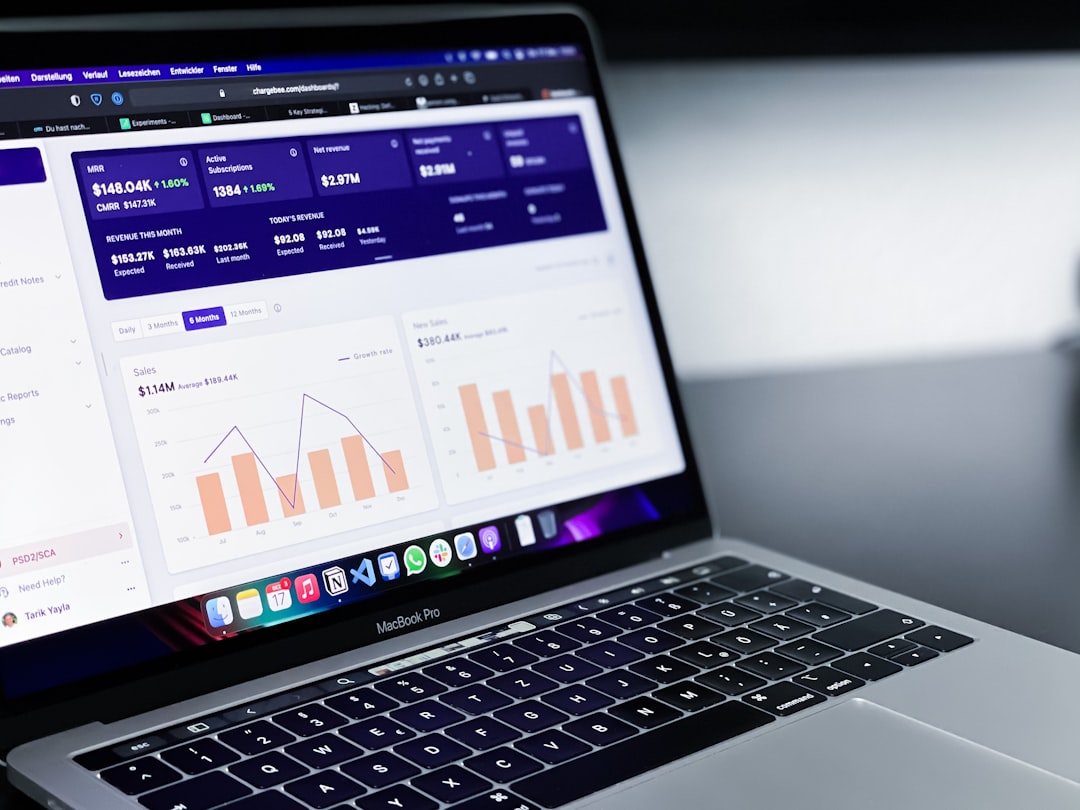
Technology has become central to modern hospitality. Hospitality management software helps businesses automate routine work, reduce errors, and gain clearer visibility into operations. Instead of managing reservations, payments, housekeeping, and guest messages across disconnected spreadsheets or paper logs, teams can use integrated platforms.
Common types of software include:
- Property management systems: These manage reservations, room inventory, check-ins, check-outs, billing, and guest profiles.
- Channel managers: These connect room availability and rates to online travel agencies, direct booking engines, and other sales channels.
- Revenue management systems: These analyze market data, demand patterns, and competitor pricing to recommend optimal rates.
- Point-of-sale systems: Restaurants, bars, cafés, and hotel outlets use these systems for orders, payments, menus, and sales reporting.
- Customer relationship management tools: These store guest preferences, booking history, loyalty data, and marketing communication records.
- Housekeeping and maintenance apps: These track room status, cleaning assignments, repairs, inspections, and staff productivity.
- Reputation management tools: These monitor reviews, guest surveys, ratings, and response workflows across multiple platforms.
The right technology can improve service speed and accuracy. For example, when housekeeping updates room status in real time, the front desk can assign clean rooms faster and reduce waiting times during peak check-in periods.
Why Hospitality Management Matters
Hospitality businesses operate in a highly competitive environment where guest expectations change quickly. A single poor experience can appear in online reviews and influence future bookings. At the same time, excellent service can create loyalty, referrals, and higher lifetime value.
Effective management helps businesses balance guest satisfaction with commercial performance. A hotel, for instance, must avoid overstaffing during low demand while still having enough employees to maintain service standards during busy periods. A restaurant must deliver memorable meals while carefully controlling waste, supplier costs, and table turnover.
Good hospitality management also supports long-term brand strength. Guests may not remember every operational detail, but they remember whether the experience felt easy, welcoming, clean, safe, and worth the price.
Future Trends in Hospitality Management
The industry continues to evolve through automation, personalization, sustainability, and flexible travel habits. Contactless check-in, mobile keys, AI-assisted guest messaging, and dynamic pricing are becoming more common. However, technology does not replace hospitality; it supports employees by removing repetitive tasks and giving them more time to focus on meaningful service.
Sustainability is also becoming a major management priority. Many properties are reducing single-use plastics, monitoring energy consumption, sourcing local ingredients, and communicating environmental practices to guests. In the future, managers who can combine efficiency, personalization, and responsible operations will be especially valuable.
FAQ
What is hospitality management in simple terms?
Hospitality management is the organization and supervision of businesses that serve guests, such as hotels, restaurants, resorts, event venues, and travel-related companies.
Is hospitality management only about hotels?
No. It includes hotels, restaurants, cruise lines, resorts, casinos, event companies, catering businesses, serviced apartments, and other guest-focused services.
What qualifications are useful for hospitality management careers?
Many employers value a degree or diploma in hospitality, tourism, business, or event management. Practical experience, leadership ability, and customer service skills are also highly important.
What software is most important for hotels?
A property management system is usually the core platform. Many hotels also use channel managers, booking engines, revenue management tools, point-of-sale systems, and guest communication software.
Is hospitality management a good career?
It can be a strong career for people who enjoy service, teamwork, fast-paced environments, and problem-solving. It offers opportunities in operations, sales, events, revenue, marketing, and executive leadership.