Zelle is fast. Very fast. Sometimes it feels like sending cash through a tiny rocket. You tap a name. You type an amount. You hit send. Boom. The money is gone. That speed is useful. It is also why scammers love it.
TLDR: Zelle has some protection, but it is not strong scam protection like a credit card. If someone hacks your account and sends money, your bank may help. But if you send money to a scammer on purpose, even by mistake, you may not get it back. Use Zelle only with people and businesses you know and trust.
So, does Zelle protect against scams?
The short answer is: sometimes, but not always.
Zelle is built for speed. It moves money between U.S. bank accounts in minutes. That is great when you owe your friend for tacos. It is less great when “your friend” is actually a scammer with a fake puppy photo.
Zelle does have security tools. Banks also monitor for fraud. But Zelle is not designed like a shopping platform. It does not hold your money. It does not check if the couch you bought exists. It does not inspect concert tickets. It does not act like a referee after a bad deal.
Think of Zelle like handing someone cash. Once you hand over the cash, it is hard to pull it back.

The big difference: fraud vs scam
This part matters a lot. It is the heart of the issue.
Many people use the words fraud and scam the same way. Banks may treat them differently.
- Fraud: Someone gets into your account without permission. They send money. You did not approve it.
- Scam: You send the money yourself. But you were tricked.
Here is an example of fraud. A criminal steals your bank login. They use Zelle to send $800 to themselves. You did not know. You did not say yes. That may be considered an unauthorized transaction.
Here is an example of a scam. A person online says they are selling a game console. You send $300 by Zelle. Then they vanish like a magician in sweatpants. You did approve the payment. You were tricked, but you still pressed send.
That difference can decide whether you get your money back.
What Zelle says about protection
Zelle tells users to send money only to people they know and trust. That warning is not just decoration. It is the whole rulebook.
Zelle payments are usually instant. Once money is sent to an enrolled user, it can be very hard to cancel. In many cases, it cannot be canceled at all.
Zelle does not offer a standard purchase protection program. That means it usually does not cover things like:
- A seller never ships your item.
- A landlord listing is fake.
- Concert tickets are fake.
- A stranger takes a deposit and disappears.
- You pay for a pet that does not exist.
So if you use Zelle to buy from strangers, you are taking a risk. A big one. A banana peel on a marble floor kind of risk.
When might you be protected?
You may have protection when a payment is unauthorized. For example, if your account was hacked. Or if someone used your phone without your permission. Or if a criminal got access to your bank account and moved money through Zelle.
In those cases, you should contact your bank right away. Do not wait. Do not “sleep on it.” Do not ask your cat for legal advice. Call your bank.
U.S. banking rules may protect consumers from certain unauthorized electronic transfers. But timing matters. The sooner you report the issue, the better your chances.
Your bank may investigate. They may ask questions. They may want dates, amounts, names, phone numbers, and screenshots. Save everything.
When are you probably not protected?
You may not be protected if you gave permission for the payment.
That can feel unfair. And honestly, it can be painful. A scammer may lie. They may pretend to be your bank. They may sound urgent. They may scare you. They may say your account is in danger. Then they may tell you to send money “to yourself” or to a “safe account.”
Spoiler alert: there is no safe account. It is their account.
If you send the money yourself, your bank may say the payment was authorized. Even if the scammer tricked you. Even if they were very convincing. Even if their fake customer support voice was smoother than butter.
Some banks may still review scam claims. Some may reimburse certain victims depending on policy, facts, and updated guidance. But you should not count on it. Zelle is not the best tool for paying strangers.
Common Zelle scams to watch for
Scammers are creative. Sadly, not in a fun art class way. More in a “steal your rent money” way.
Here are common Zelle scams:
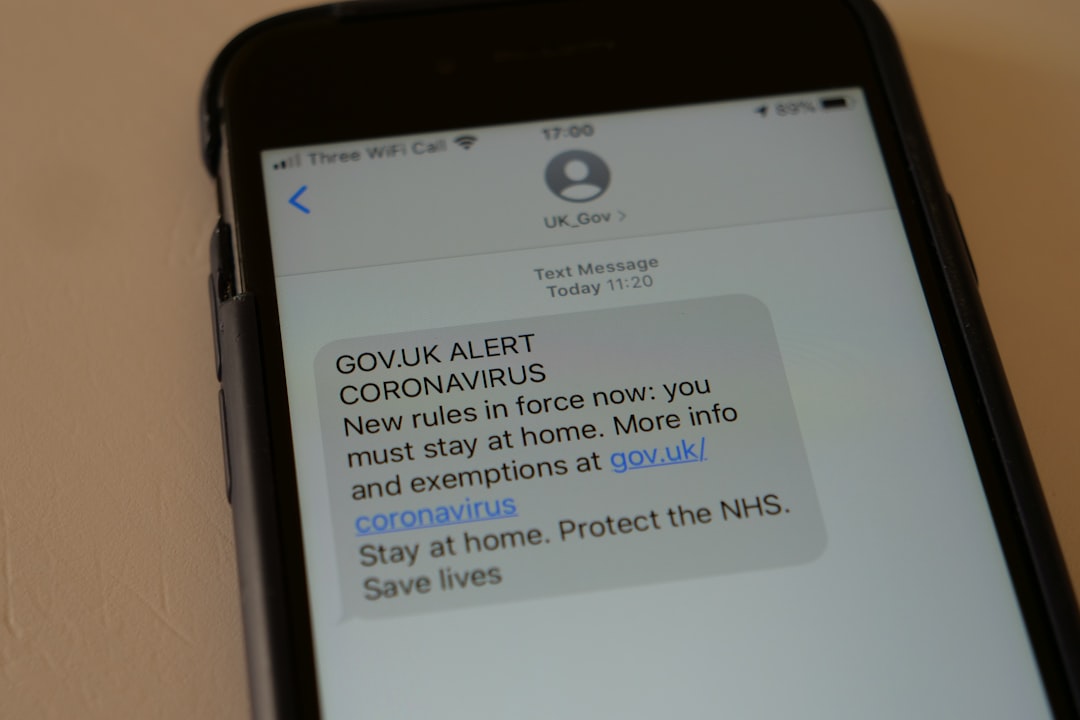
- Fake bank alert: You get a text asking if you made a payment. You reply no. Then a fake bank employee calls and tells you to send money to “fix” it.
- Marketplace scam: A seller lists a cheap phone, couch, puppy, or ticket. They ask for Zelle. Then they disappear.
- Impersonation scam: Someone pretends to be your child, friend, boss, landlord, or utility company.
- Romance scam: A sweet stranger builds trust. Then they ask for money for travel, bills, or an “emergency.”
- Refund scam: A fake company says they sent too much money. They ask you to send some back.
- Rental scam: A fake landlord asks for a deposit before you tour the place.
Red flags that scream “do not send”
Some scams wave tiny red flags. Others carry a marching band.
Be careful if you see any of these:
- The person pressures you to act fast.
- They say Zelle is the only payment option.
- The deal is much cheaper than normal.
- They ask for a deposit before you see the item.
- They tell you not to call your bank.
- They claim to be from your bank, but ask you to send money.
- They ask for codes sent to your phone.
- The name on Zelle does not match the person or business.
If your gut says “hmm,” listen. Your gut may not understand tax forms, but it can spot drama.
What to do before sending money with Zelle
Before you send money, slow down. Zelle is fast. You do not have to be.
- Confirm the person. Call them using a number you already know.
- Check the recipient name. Zelle may show the enrolled name. Read it.
- Start small. If sending a large amount to someone trusted, send $1 first.
- Never share codes. Your bank will not ask for your one-time code.
- Do not pay strangers. Use a safer payment method with purchase protection.
- Pause under pressure. Scammers hate pauses. That is why pauses are powerful.
Also, remember this golden rule: If someone tells you to send money to protect your money, stop. That is almost always a scam.
What to do if you were scammed
If you sent money and now regret it, move fast.
- Contact your bank immediately. Use the phone number on your bank card or app.
- Report the transaction. Explain what happened clearly.
- Ask if the payment can be canceled. It may be too late, but ask.
- Save proof. Keep texts, emails, screenshots, names, numbers, and listings.
- Change passwords. Do this if you shared any account info.
- Report the scam. You can report it to the FTC, your state attorney general, or local police.
Do not be embarrassed. Scammers are professionals. They practice. They test scripts. They use fear and speed. Getting tricked does not make you foolish. It makes you human.
Can you cancel a Zelle payment?
Sometimes. But only in a narrow situation.
If the person you sent money to is not enrolled with Zelle yet, you may be able to cancel the payment. You can check inside your banking app or Zelle app.
If the person is already enrolled, the money usually moves quickly. Then cancellation is usually not available.
That is why the “send” button deserves respect. Treat it like a tiny financial trapdoor.
Is Zelle safe to use?
Yes, Zelle can be safe. But it depends how you use it.
Zelle is useful for:
- Paying your roommate for utilities.
- Sending money to family.
- Splitting dinner with friends.
- Paying a trusted babysitter.
- Sending rent to a landlord you already know.
Zelle is risky for:
- Buying from strangers online.
- Paying deposits for unseen rentals.
- Buying tickets from social media posts.
- Sending money after a scary phone call.
- Paying anyone who demands secrecy or speed.

Zelle vs credit cards
A credit card is often better for shopping. Why? Because credit cards usually have stronger dispute rights. If an item never arrives, you may be able to dispute the charge.
Zelle is different. It is for sending money. Not for shopping with strangers.
Here is a simple way to think about it:
- Zelle: Best for trusted people.
- Credit card: Better for purchases.
- Cash: Final and hard to recover.
Zelle is closer to cash than a credit card. Very useful. Very quick. Not very forgiving.
What if someone claims to be your bank?
This scam is very common. It can feel real.
You may get a text about “suspicious activity.” Then someone calls. The caller ID may even show your bank’s name. That can be faked. The person may know your name. That can happen too. Data leaks are everywhere.
They may tell you to send money by Zelle to reverse fraud. Do not do it.
Hang up. Call your bank directly using the official number. Not the number in the text. Not the number the caller gives you. Use the number on your card or bank website.
A real bank will not ask you to send yourself money through Zelle to stop fraud. That is like a firefighter asking you to add gasoline to “protect the house.” No thanks.
Final answer: does Zelle protect against scams?
Zelle offers some protection against unauthorized fraud. But it usually does not protect you from authorized scams, where you sent the money yourself after being tricked.
So use Zelle like you use cash. Send it to people you know. Double-check before you tap. Slow down when someone rushes you. And never use Zelle just because a stranger promises a great deal.
Zelle can be a handy tool. It can save time. It can make splitting pizza easy. But it is not a scam shield. Your best protection is simple: pause, verify, and trust your radar.