Modern music production has never been more accessible—or more powerful. While Logic Pro remains one of the most popular digital audio workstations (DAWs) for professional producers, it’s far from the only option capable of delivering studio‑quality results. Whether you’re a beatmaker, film composer, podcaster, or recording engineer, there are several outstanding tools that offer deep functionality, intuitive workflows, and pristine sound engines comparable to Logic Pro.
TL;DR: If you’re looking for alternatives to Logic Pro, there are several professional-grade DAWs worth exploring. Ableton Live, FL Studio, Cubase, Pro Tools, Studio One, and Reaper each offer powerful production features suited to different workflows and genres. From electronic music creation to film scoring and professional mixing, these tools provide everything you need to produce high-quality audio. Your best choice depends on your creative style, budget, and preferred interface.
Let’s explore six exceptional music production tools that can help you create professional audio tracks from start to finish.
1. Ableton Live
Best For: Electronic producers, live performers, experimental musicians
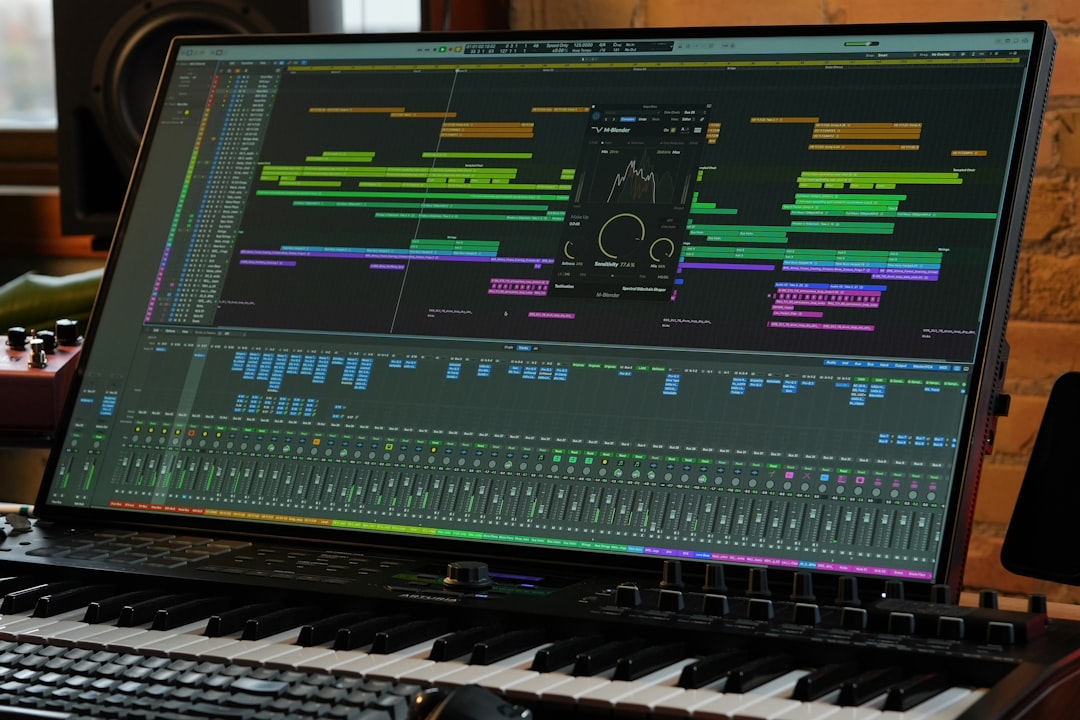
Ableton Live is widely regarded as one of the most innovative DAWs on the market. Unlike traditional linear recording software, Live offers two distinct views: Arrangement View for structured timelines and Session View for loop-based experimentation. This flexibility makes it a favorite among electronic artists and live performers.
Key features include:
- Real-time audio warping and time-stretching
- Powerful MIDI sequencing tools
- Built-in instruments like Wavetable and Operator
- Extensive integration with hardware controllers
The workflow is fast and inspiring, especially for those who love experimenting with loops and improvising arrangements. While Logic Pro excels in traditional composition, Ableton shines in creative spontaneity.
2. FL Studio
Best For: Beatmakers, hip-hop producers, beginners
FL Studio started as a simple beat-making program but has evolved into a full-fledged DAW capable of professional recording and mixing. Its intuitive pattern-based sequencing system makes it easy to build rhythms and melodies quickly.
Why producers love it:
- Step sequencer for fast drum programming
- Piano roll considered one of the best in the industry
- Lifetime free updates
- Huge library of plugins and instruments
FL Studio’s workflow feels natural for producers who think in patterns rather than linear timelines. While earlier versions were associated primarily with electronic and hip-hop production, modern FL Studio supports full audio recording, live instruments, and advanced mixing.
3. Steinberg Cubase
Best For: Composers, film scorers, MIDI-heavy productions
Cubase has been a cornerstone of digital music production for decades. Known for its advanced MIDI capabilities, it’s particularly well-suited for composers working with orchestral libraries or complex arrangements.
Image not found in postmetaStandout features:
- Industry-leading MIDI editing tools
- Advanced score editor
- Robust audio comping and editing
- Comprehensive mixing console
If Logic Pro appeals to you for its composition tools, Cubase offers an equally powerful—sometimes deeper—alternative. Many professional film and game composers rely on Cubase for its precision and flexibility.
4. Avid Pro Tools
Best For: Recording engineers, professional studios, mixing specialists
Pro Tools is often referred to as the industry standard in professional recording environments. Walk into major recording studios across the world, and chances are high you’ll see Pro Tools at the center of the setup.
Professional strengths:
- Superior multitrack recording capabilities
- High-end audio editing tools
- Advanced automation and mixing features
- Integration with professional studio hardware
While its MIDI features historically lagged behind competitors, recent updates have greatly expanded its creative toolkit. If your focus is tracking bands, recording vocals, or mixing commercially released music, Pro Tools is a top-tier option.
5. PreSonus Studio One
Best For: Songwriters, producers seeking streamlined workflow
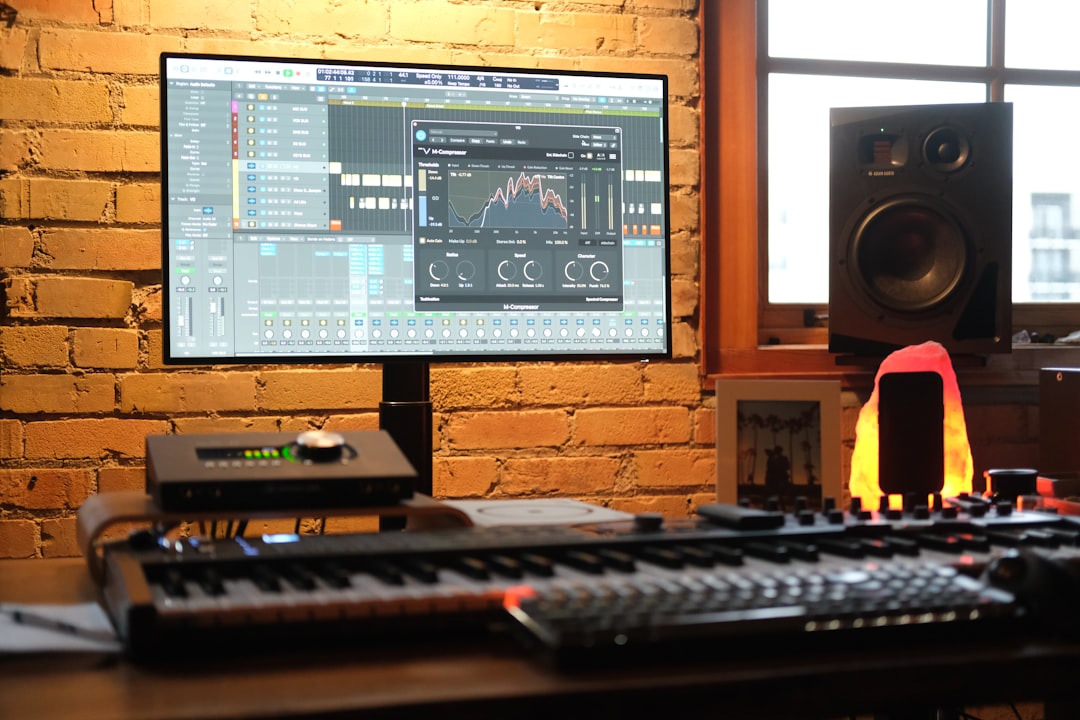
Studio One has gained popularity for its clean interface and drag-and-drop functionality. It combines recording, mixing, mastering, and even live performance tools into one seamless ecosystem.
What makes it stand out:
- Intuitive drag-and-drop workflow
- Integrated mastering suite
- Chord track and harmonic editing tools
- High-quality stock plugins
Studio One feels modern and efficient. For producers who want deep functionality without feeling overwhelmed by complex menus, it strikes an excellent balance between power and usability.
6. Reaper
Best For: Budget-conscious producers, advanced users who love customization
Reaper may not have the brand recognition of Logic or Pro Tools, but it is one of the most powerful and affordable DAWs available today. Its lightweight installation and highly customizable interface attract tech-savvy producers who like fine-tuning their workflow.
Why it’s impressive:
- Extremely affordable licensing
- Highly customizable interface and shortcuts
- Advanced routing capabilities
- Small installation footprint
Reaper’s flexibility makes it ideal for everything from podcast production to complex audio engineering projects. Although it may require a bit more setup time initially, its power rivals far more expensive software.
Feature Comparison Chart
| DAW | Best For | Strengths | Learning Curve |
|---|---|---|---|
| Ableton Live | Electronic & Live Performance | Loop-based workflow, sound design tools | Moderate |
| FL Studio | Beatmaking | Excellent piano roll, pattern sequencing | Beginner-Friendly |
| Cubase | Composing & Scoring | Advanced MIDI, scoring tools | Advanced |
| Pro Tools | Studio Recording | Professional mixing, industry standard | Advanced |
| Studio One | Songwriting | Streamlined workflow, integrated mastering | Moderate |
| Reaper | Custom & Budget Projects | Affordable, flexible routing | Moderate to Advanced |
Choosing the Right Tool for You
While all six platforms are capable of producing professional audio, choosing the right DAW often comes down to workflow preference and creative goals.
Ask yourself:
- Do I focus more on live instruments or electronic production?
- Do I prefer loop-based creation or linear song arrangement?
- Is industry studio compatibility important to me?
- What is my budget?
If you thrive on experimentation and perform live sets, Ableton Live may inspire you. If you want traditional studio credibility, Pro Tools might be your best bet. For orchestral scoring, Cubase excels. And if budget flexibility is key, Reaper delivers exceptional value.
Final Thoughts
Logic Pro remains a powerful, polished production environment—but it’s not the only path to professional sound. Today’s DAWs are more capable than ever, offering sophisticated recording engines, world-class plugins, and intuitive interfaces that cater to every type of producer.
The best music production tool is ultimately the one that allows your creativity to flow effortlessly. Whether you’re crafting cinematic scores, mixing chart-ready singles, or building intricate electronic soundscapes, these six alternatives to Logic Pro provide everything you need to turn ideas into polished, professional audio.
The studio is no longer defined by hardware racks and expensive consoles—it lives inside powerful software. Choose the right one, master it, and your creative possibilities become limitless.